SEARCH WHAT YOU WANT

2026-04-21
Complete Guide to Mold Rust Prevention: Building a Strong Defense for Your Mold Investment
As the core foundation of the manufacturing industry, the condition of a mold directly affects product forming quality and production costs, making it a critical factor that cannot be overlooked. Rust is the most common "enemy" encountered during daily use and storage of molds. Under the influence of humidity, oxidation, and other environmental factors, rust can easily develop, not only causing a significant decline in mold precision and leading to various product forming defects but also increasing production rework rates and maintenance costs. Among the various mold rust prevention technologies, shot blasting, blackening, and phosphating are three classic and widely used processes. Through different chemical and physical principles, they form a reliable protective layer on the mold surface, effectively isolating air, moisture, and corrosive media.
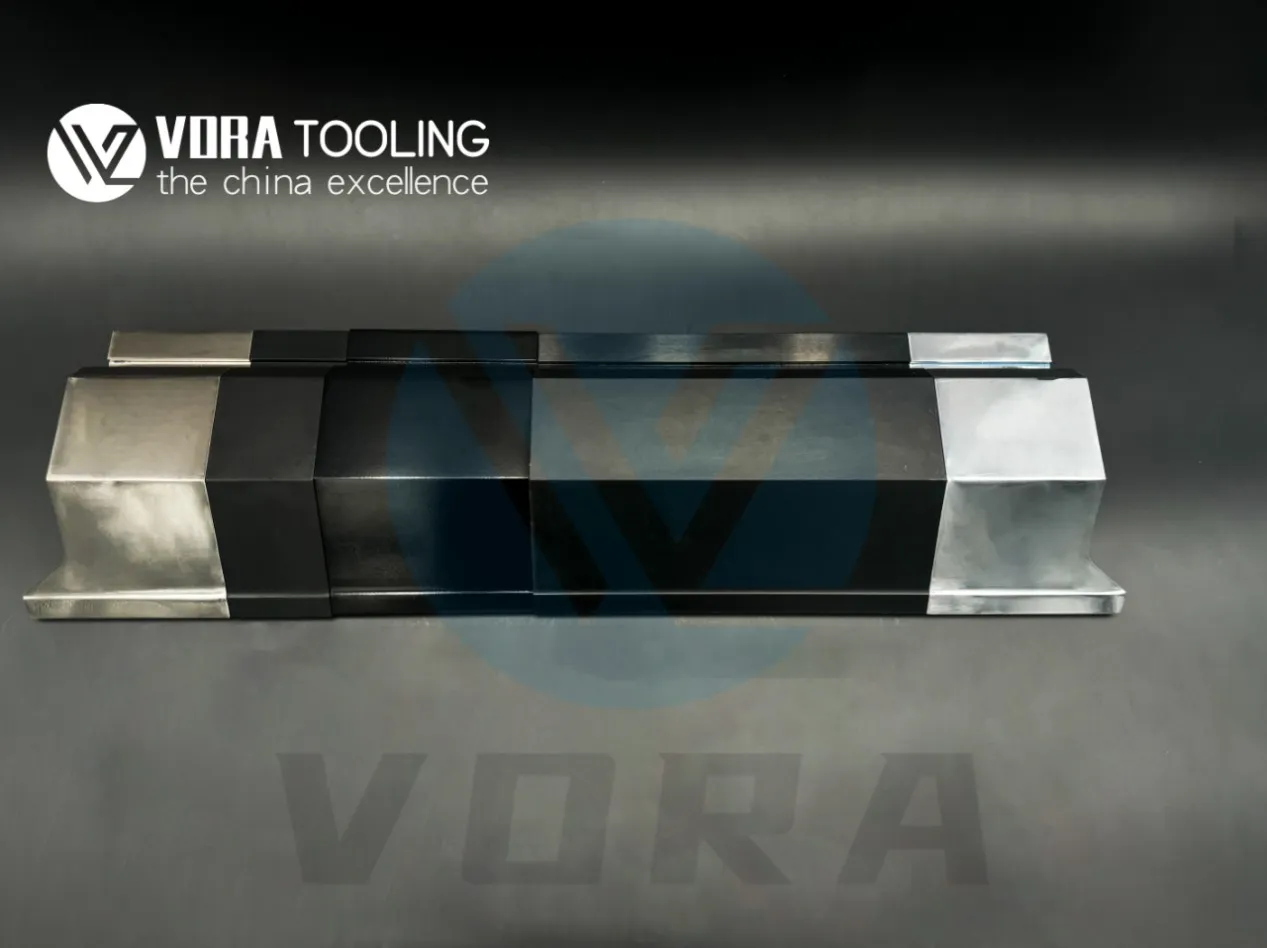
1. Shot Blasting Rust Prevention Process: Building a Solid Foundation with Physical Cleaning
(1) Process Principle
Shot blasting rust prevention is a surface pretreatment process that achieves cleaning and strengthening through mechanical means. High-speed shots impact the mold surface. On one hand, their kinetic energy directly peels off oxide scale, rust, and dirt, achieving thorough physical cleaning. On the other hand, they cause plastic deformation of the surface metal, forming a uniform micro-roughness to enhance the adhesion of subsequent coatings, while also introducing beneficial residual compressive stress to improve the substrate's resistance to fatigue and stress corrosion, thereby laying a solid foundation for long-term rust prevention.
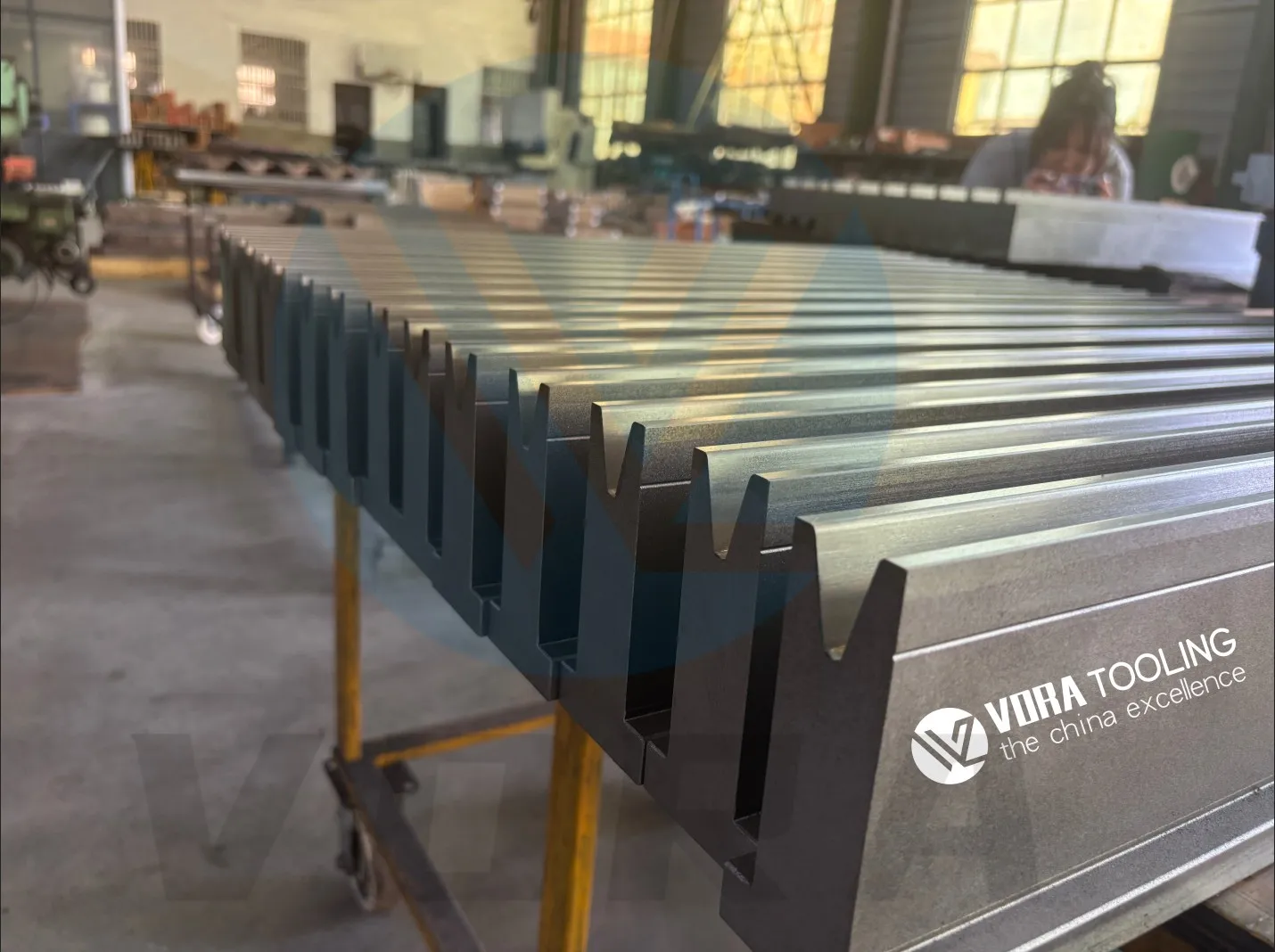
(2) Application Scenarios
① As a "pretreatment tool" for high-quality rust protection: When molds require electroplating, spraying, or coating with high-performance rust preventive oil, shot blasting must be used first to obtain an absolutely clean and activated surface, ensuring these subsequent coatings can adhere firmly and perform at their best.
② Restorative rust prevention and refurbishment: For old or inventory molds that have already rusted, shot blasting is the most efficient rust removal method. It can thoroughly remove rust layers, old coatings, and contaminants, restoring the mold to a state close to the original metal substrate for re-treatment.
③ "Strengthening pretreatment" to enhance the mold's own resistance: For molds working under high stress and high fatigue conditions (such as large die-casting molds and stamping dies), the residual compressive stress introduced by shot blasting can significantly improve their resistance to cracking and stress corrosion. This fundamentally enhances the mold's durability and reduces the risk of rust caused by fatigue micro-cracks.
(3) Core Advantages
① Integrated processing, efficient and labor-saving: Combines surface cleaning, rust and oxide removal, and surface strengthening in one single process. Achieves multiple core needs in one step without the need for separate operations, greatly reducing mold processing time and improving overall operational efficiency.
② Full-scenario adaptability, excellent compatibility: Highly suitable for ferrous metal molds such as carbon steel and alloy steel. Can achieve full-area, dead-angle-free treatment on large, medium-sized, and structurally complex injection molds and stamping dies. Suitable for all application scenarios including pre-assembly pretreatment, pre-spraying pretreatment, and secondary rust prevention for molds already in use.
③ Optimizes surface substrate, empowers subsequent processes: After treatment, the mold surface forms a uniform roughened substrate, significantly improving the adhesion of subsequent coatings and the fitting precision during assembly. This prevents problems such as coating peeling and poor assembly at the source, ensuring the quality of subsequent processes.
④ Physical strengthening for rust prevention, long-term mold protection: Pure physical shot blasting treatment carries no risk of chemical agent corrosion. While thoroughly removing impurities, it achieves surface strengthening of the mold, improves surface stress distribution, enhances the mold's own rust and wear resistance, lays a solid foundation for secondary rust prevention, and effectively extends the mold's service life.
⑤ Strong process adaptability, does not damage the mold body: Can flexibly adapt to the treatment needs of molds with different structures and specifications. During the process, it does not damage the mold's original substrate or structural precision, preserving the mold's inherent performance to the greatest extent. Adapts to rust prevention needs throughout the entire mold lifecycle.
(4) Operational Key Points
① Select appropriate shot material and particle size based on the mold material and surface requirements (e.g., steel shots for high-hardness molds, glass beads for precision molds to avoid surface damage).
② Control shot blasting pressure (typically 0.3–0.6 MPa) and time (30 seconds to 5 minutes) to avoid excessive blasting that could cause mold deformation or excessive surface roughness.
③ After shot blasting, promptly clean residual abrasive particles from the mold surface and apply rust preventive oil or other protective agents within 4 hours to prevent secondary oxidation.
2. Blackening Rust Prevention Process: Economical and Practical Chemical Conversion Protection
(1) Process Principle
Blackening is a chemical conversion coating process. It forms a black oxide film on the metal surface by immersing the surface in specific chemical solutions, providing rust and corrosion protection. This film not only effectively isolates moisture and oxygen but also has strong adhesion, forming a durable protective layer on the metal surface.
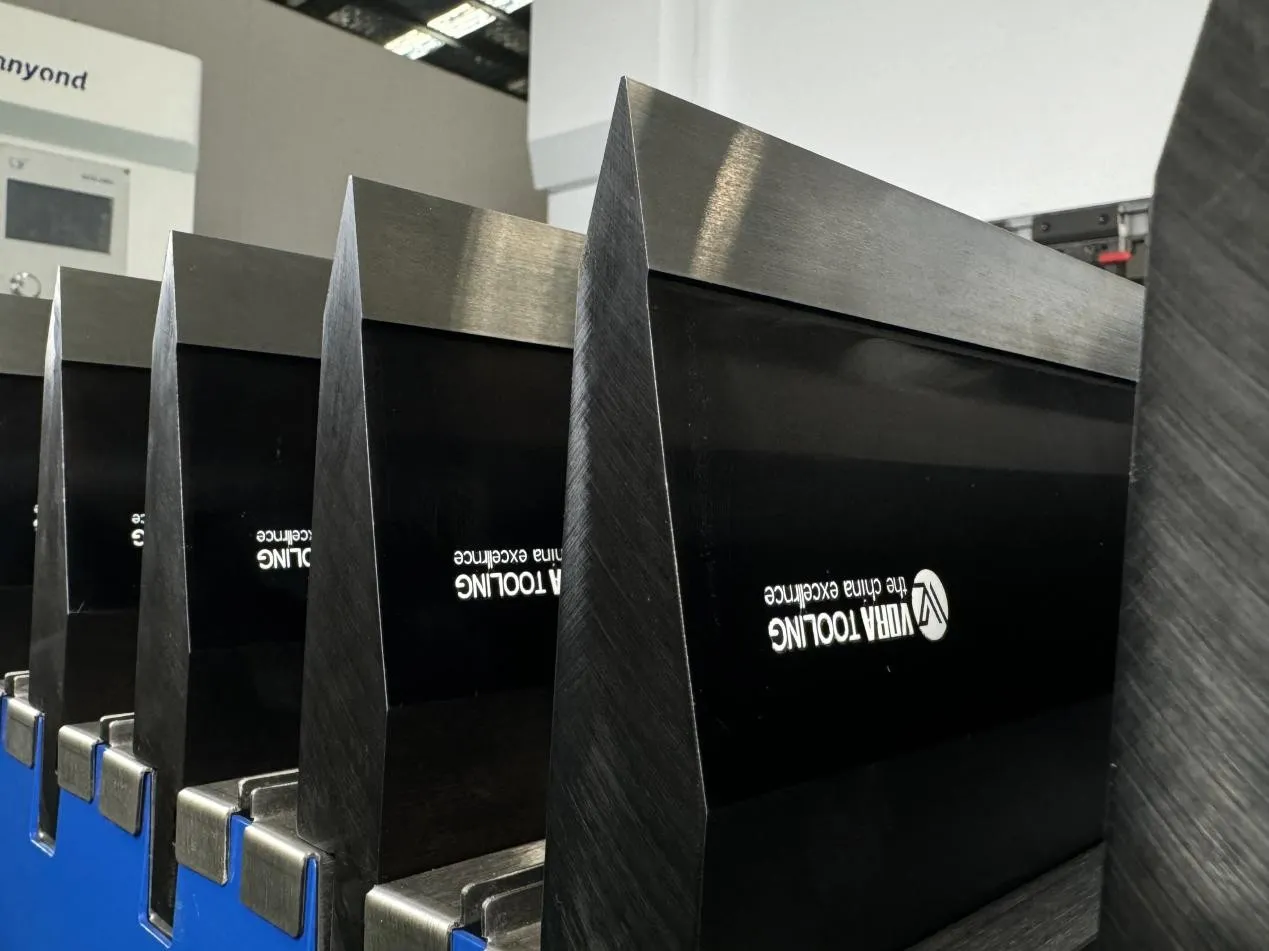
(2) Application Scenarios
① Suitable for ordinary carbon steel and low-alloy steel molds where rust prevention cost control is a high priority. Stainless steel and various non-ferrous metal molds are not recommended for this process.
② Suitable for rust protection of non-critical areas such as internal mold structures, guide rails, and non-mating surfaces where surface finish and precision are not strictly required.
③ Suitable for small to medium-sized molds and molds produced in large standardized batches, fully meeting the basic rust prevention needs of such molds in daily production.
④ Suitable for temporary rust protection during various stages such as mold storage in warehouses and transportation between different locations, effectively ensuring the mold surface remains in good condition during storage and transit.
⑤ Suitable for molds with low rust resistance requirements and those used for short-term turnover in daily operations, meeting their conventional basic rust prevention process needs.
(3) Core Advantages
① Extreme economic advantage: The core competitiveness of the blackening process lies first in its excellent cost control ability. As one of the most economical chemical rust prevention solutions, its equipment investment is only 20% of that of an electroplating line, energy consumption is reduced by more than 60%, and the chemical solution cost is far lower than that of phosphating treatment. More importantly, blackening has a minimal dimensional impact on the mold (film thickness only 1–3 microns), avoiding precision loss and subsequent correction costs caused by rust prevention treatment, achieving a truly "low-cost, zero-dimensional-impact" protection.
② Unique process performance: The blackening process possesses irreplaceable technical characteristics. The magnetite (Fe₃O₄) conversion film formed has a metallurgical bond with the substrate, providing strong adhesion and resistance to peeling. The black matte appearance is both aesthetically pleasing and convenient for mold management. The process has no hydrogen embrittlement risk and does not alter the material's mechanical properties. Additionally, the process operation is simple and flexible, allowing for batch processing or selective localized protection. It has excellent compatibility with subsequent protective measures such as oil coating and VCI packaging.
③ Excellent environmental protection and maintenance: Against the backdrop of increasingly stringent environmental regulations, the blackening process demonstrates显著的 green manufacturing characteristics. The entire process involves no heavy metal pollution, and wastewater and exhaust gas treatment are simple, meeting modern environmental standards. In terms of maintenance, equipment failure rates are low, bath solution management is simple, and the film condition can be quickly assessed visually. Localized repair only requires grinding and re-treatment. The cost of re-blackening is only 30% of the initial treatment, greatly reducing the lifecycle maintenance cost.
(4) Operational Key Points
① Critical pretreatment: Before blackening, the mold must be thoroughly degreased and derusted to ensure a uniform and dense oxide film (residual oil or rust will cause the film to blister and peel).
② Strictly control the blackening solution temperature and concentration (temperature deviation should not exceed ±5°C; regularly test and replenish solution components).
③ Optimize post-treatment: After blackening, rinse the mold with clean water and immediately immerse it in rust preventive oil or apply a protective agent to enhance rust prevention effectiveness (the oxide film itself has limited corrosion resistance and requires oil sealing for protection).
3. Phosphating Rust Prevention Process: Excellent Adhesion
(1) Process Principle
Phosphating rust prevention is a process that generates a phosphate crystal film on the metal surface through chemical conversion. The core principle is: after the workpiece is immersed in an acidic phosphating solution, the base metal is slightly dissolved through micro-etching. The iron ion concentration and pH value at the interface rise, prompting metal ions such as zinc and manganese in the solution to combine with phosphate ions, forming insoluble phosphate crystals that deposit on the surface. This porous crystalline film achieves long-term rust prevention through three synergistic mechanisms: physical barrier to isolate corrosive media, electrochemical inhibition to block galvanic cell reactions, and capillary absorption to store corrosion inhibitors. It also provides an excellent adhesion substrate for subsequent coatings.
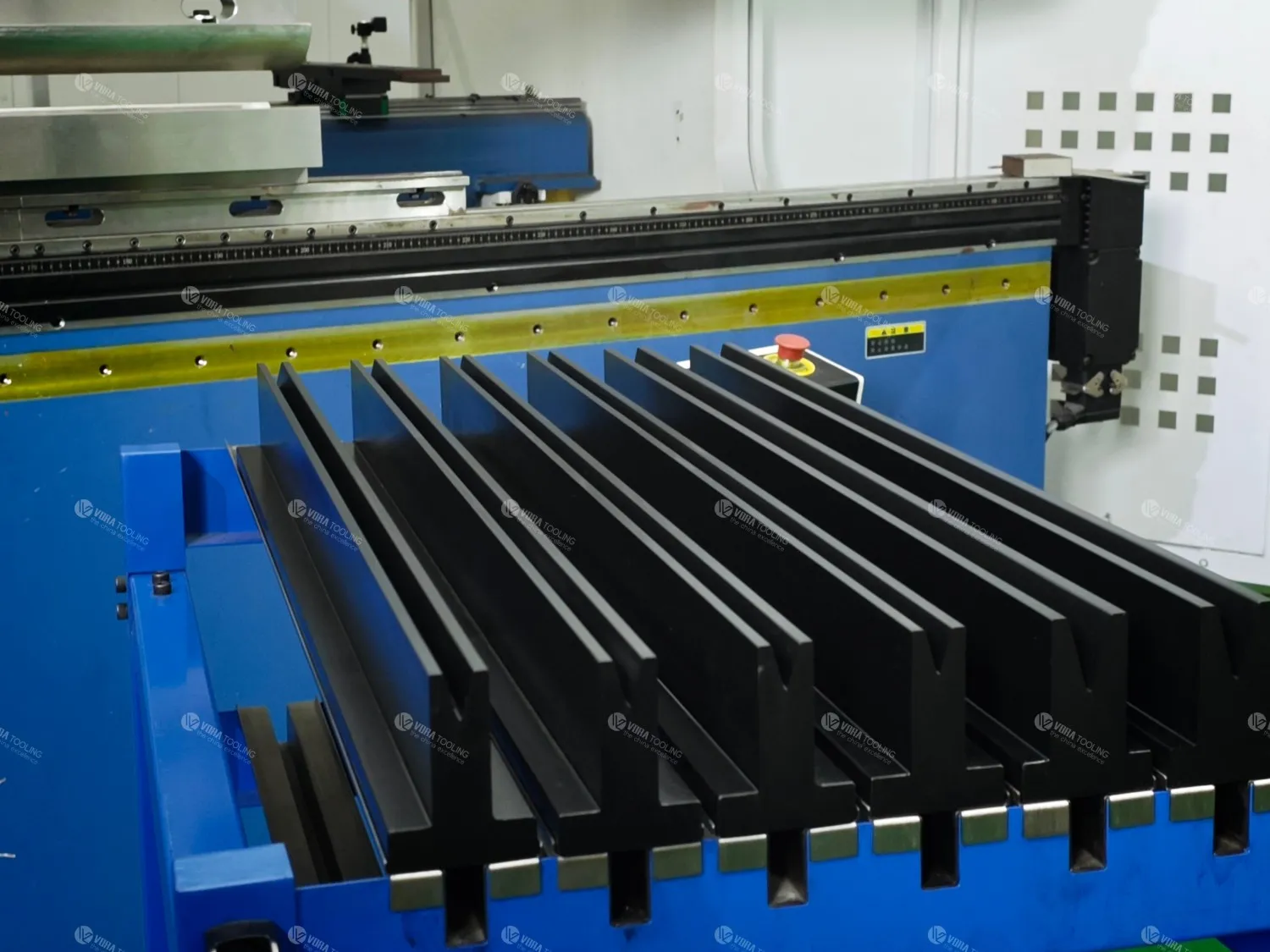
(2) Application Scenarios
① Suitable for scenarios such as mold storage, transportation, and long-term idle sealing. The dense phosphating film forms a long-term protective barrier on the metal surface, effectively resisting environmental erosion from humidity, dust, acid and alkali fumes, etc., meeting the core requirements of long-term rust prevention and surface precision maintenance.
② Suitable as a pretreatment for subsequent coating processes on the mold surface, such as electrophoretic coating, powder spraying, and baking paint. The porous crystal film formed by phosphating increases the contact area between the coating and the metal substrate, significantly improving the adhesion and bonding strength of the coating, preventing issues like paint peeling, blistering, and bubbling in subsequent coating applications.
③ Suitable for various ferrous metal molds such as carbon steel, alloy steel, and cast iron. It can also be adapted for surface rust prevention treatment of some non-ferrous metal molds such as aluminum alloy and zinc alloy. The wide range of material compatibility meets the general rust prevention processing needs of different mold materials.
④ Suitable for standardized rust prevention treatment in batch mold production. The process operation is mature and can be implemented on a production line, offering high processing efficiency and consistent, uniform film quality, adapting to the production rhythm of large-scale mold processing.
(3) Core Advantages
① Long-term corrosion protection foundation: The phosphating process generates a dense, uniform phosphate conversion film on the metal surface through chemical reaction. This chemical film is firmly attached to the substrate and possesses excellent chemical stability. It effectively isolates corrosive media such as moisture and oxygen from the environment, providing reliable basic rust protection for the metal. Even under high humidity or over a certain storage period, it significantly delays the occurrence of substrate corrosion, making it a core method for achieving medium to long-term rust prevention goals.
② Excellent coating adhesion substrate: The phosphating film has a unique micro-porous structure, making it an ideal "primer layer" for subsequent coating (e.g., painting, powder coating) or lubrication treatments. These micropores greatly increase the surface area, providing strong mechanical anchoring for organic coatings. At the same time, the chemical bonding between the phosphating film and the coating is also enhanced, fundamentally solving the problem of poor adhesion and easy peeling of coatings, significantly improving the durability of the overall protection system.
③ Broad material and process adaptability: This process works best on ferrous metals represented by steel (e.g., carbon steel, alloy steel, cast iron). By adjusting the formula, it can also be well adapted to various non-ferrous metals such as aluminum alloy and zinc alloy. Additionally, the crystalline film generated by phosphating (especially zinc phosphate and manganese phosphate) has good lubricity and anti-friction properties, often used as a pretreatment for cold metal forming (e.g., drawing, extrusion). It reduces the friction coefficient and extends mold life, demonstrating its dual value in both protection and forming processes.
④ Economical and efficient overall benefits: Phosphating treatment is usually carried out at room temperature to medium temperature, requiring relatively simple equipment and low energy consumption. Its processing solution has a long service life, and maintenance costs are controllable. Compared with high-end processes such as electroplating and physical vapor deposition (PVD), phosphating can achieve significant rust prevention and adhesion enhancement at a lower cost, offering extremely high cost-effectiveness. At the same time, its treatment process is relatively environmentally friendly (modern environmentally friendly phosphating technologies are continuously developing), meeting the general requirements of cost reduction, efficiency improvement, and sustainable development in industrial production.
(5) Operational Key Points
① Pretreatment must be thorough: The mold surface must undergo degreasing, rust removal, and activation to remove oxide scale and oil, ensuring a continuous and uniform phosphating film.
② Control phosphating parameters: Adjust temperature (room temperature phosphating 15–60°C, high-temperature phosphating 80–95°C), pH value (1.5–3.5), and immersion time (10–20 minutes) according to process requirements.
③ Post-treatment is indispensable: After phosphating, rinse with clean water and dry thoroughly. Immediately apply rust preventive oil, spray paint, or other protective layers to fill the pores of the phosphating film, forming a complete protection system.
4. Conclusion: Choose the Right Process Scientifically to Build a Strong Rust Prevention Defense for Molds
Selecting the appropriate rust prevention process is a core step in extending mold life, ensuring production precision, and protecting investment returns. The three major processes—shot blasting, blackening, and phosphating—each have their own characteristics: shot blasting focuses on "cleaning and strengthening," blackening emphasizes "economy and convenience," while phosphating highlights "corrosion resistance and adhesion." In practical selection, it is necessary to comprehensively consider mold material, working environment, storage period, and cost budget to determine the most suitable protection path.
As the core foundation of the manufacturing industry, the condition of a mold directly affects product forming quality and production costs, making it a critical factor that cannot be overlooked. Rust is the most common "enemy" encountered during daily use and storage of molds. Under the influence of humidity, oxidation, and other environmental factors, rust can easily develop, not only causing a significant decline in mold precision and leading to various product forming defects but also increasing production rework rates and maintenance costs. Among the various mold rust prevention technologies, shot blasting, blackening, and phosphating are three classic and widely used processes. Through different chemical and physical principles, they form a reliable protective layer on the mold surface, effectively isolating air, moisture, and corrosive media.
1. Shot Blasting Rust Prevention Process: Building a Solid Foundation with Physical Cleaning
(1) Process Principle
Shot blasting rust prevention is a surface pretreatment process that achieves cleaning and strengthening through mechanical means. High-speed shots impact the mold surface. On one hand, their kinetic energy directly peels off oxide scale, rust, and dirt, achieving thorough physical cleaning. On the other hand, they cause plastic deformation of the surface metal, forming a uniform micro-roughness to enhance the adhesion of subsequent coatings, while also introducing beneficial residual compressive stress to improve the substrate's resistance to fatigue and stress corrosion, thereby laying a solid foundation for long-term rust prevention.
(2) Application Scenarios
① As a "pretreatment tool" for high-quality rust protection: When molds require electroplating, spraying, or coating with high-performance rust preventive oil, shot blasting must be used first to obtain an absolutely clean and activated surface, ensuring these subsequent coatings can adhere firmly and perform at their best.
② Restorative rust prevention and refurbishment: For old or inventory molds that have already rusted, shot blasting is the most efficient rust removal method. It can thoroughly remove rust layers, old coatings, and contaminants, restoring the mold to a state close to the original metal substrate for re-treatment.
③ "Strengthening pretreatment" to enhance the mold's own resistance: For molds working under high stress and high fatigue conditions (such as large die-casting molds and stamping dies), the residual compressive stress introduced by shot blasting can significantly improve their resistance to cracking and stress corrosion. This fundamentally enhances the mold's durability and reduces the risk of rust caused by fatigue micro-cracks.
(3) Core Advantages
① Integrated processing, efficient and labor-saving: Combines surface cleaning, rust and oxide removal, and surface strengthening in one single process. Achieves multiple core needs in one step without the need for separate operations, greatly reducing mold processing time and improving overall operational efficiency.
② Full-scenario adaptability, excellent compatibility: Highly suitable for ferrous metal molds such as carbon steel and alloy steel. Can achieve full-area, dead-angle-free treatment on large, medium-sized, and structurally complex injection molds and stamping dies. Suitable for all application scenarios including pre-assembly pretreatment, pre-spraying pretreatment, and secondary rust prevention for molds already in use.
③ Optimizes surface substrate, empowers subsequent processes: After treatment, the mold surface forms a uniform roughened substrate, significantly improving the adhesion of subsequent coatings and the fitting precision during assembly. This prevents problems such as coating peeling and poor assembly at the source, ensuring the quality of subsequent processes.
④ Physical strengthening for rust prevention, long-term mold protection: Pure physical shot blasting treatment carries no risk of chemical agent corrosion. While thoroughly removing impurities, it achieves surface strengthening of the mold, improves surface stress distribution, enhances the mold's own rust and wear resistance, lays a solid foundation for secondary rust prevention, and effectively extends the mold's service life.
⑤ Strong process adaptability, does not damage the mold body: Can flexibly adapt to the treatment needs of molds with different structures and specifications. During the process, it does not damage the mold's original substrate or structural precision, preserving the mold's inherent performance to the greatest extent. Adapts to rust prevention needs throughout the entire mold lifecycle.
(4) Operational Key Points
① Select appropriate shot material and particle size based on the mold material and surface requirements (e.g., steel shots for high-hardness molds, glass beads for precision molds to avoid surface damage).
② Control shot blasting pressure (typically 0.3–0.6 MPa) and time (30 seconds to 5 minutes) to avoid excessive blasting that could cause mold deformation or excessive surface roughness.
③ After shot blasting, promptly clean residual abrasive particles from the mold surface and apply rust preventive oil or other protective agents within 4 hours to prevent secondary oxidation.
2. Blackening Rust Prevention Process: Economical and Practical Chemical Conversion Protection
(1) Process Principle
Blackening is a chemical conversion coating process. It forms a black oxide film on the metal surface by immersing the surface in specific chemical solutions, providing rust and corrosion protection. This film not only effectively isolates moisture and oxygen but also has strong adhesion, forming a durable protective layer on the metal surface.
(2) Application Scenarios
① Suitable for ordinary carbon steel and low-alloy steel molds where rust prevention cost control is a high priority. Stainless steel and various non-ferrous metal molds are not recommended for this process.
② Suitable for rust protection of non-critical areas such as internal mold structures, guide rails, and non-mating surfaces where surface finish and precision are not strictly required.
③ Suitable for small to medium-sized molds and molds produced in large standardized batches, fully meeting the basic rust prevention needs of such molds in daily production.
④ Suitable for temporary rust protection during various stages such as mold storage in warehouses and transportation between different locations, effectively ensuring the mold surface remains in good condition during storage and transit.
⑤ Suitable for molds with low rust resistance requirements and those used for short-term turnover in daily operations, meeting their conventional basic rust prevention process needs.
(3) Core Advantages
① Extreme economic advantage: The core competitiveness of the blackening process lies first in its excellent cost control ability. As one of the most economical chemical rust prevention solutions, its equipment investment is only 20% of that of an electroplating line, energy consumption is reduced by more than 60%, and the chemical solution cost is far lower than that of phosphating treatment. More importantly, blackening has a minimal dimensional impact on the mold (film thickness only 1–3 microns), avoiding precision loss and subsequent correction costs caused by rust prevention treatment, achieving a truly "low-cost, zero-dimensional-impact" protection.
② Unique process performance: The blackening process possesses irreplaceable technical characteristics. The magnetite (Fe₃O₄) conversion film formed has a metallurgical bond with the substrate, providing strong adhesion and resistance to peeling. The black matte appearance is both aesthetically pleasing and convenient for mold management. The process has no hydrogen embrittlement risk and does not alter the material's mechanical properties. Additionally, the process operation is simple and flexible, allowing for batch processing or selective localized protection. It has excellent compatibility with subsequent protective measures such as oil coating and VCI packaging.
③ Excellent environmental protection and maintenance: Against the backdrop of increasingly stringent environmental regulations, the blackening process demonstrates显著的 green manufacturing characteristics. The entire process involves no heavy metal pollution, and wastewater and exhaust gas treatment are simple, meeting modern environmental standards. In terms of maintenance, equipment failure rates are low, bath solution management is simple, and the film condition can be quickly assessed visually. Localized repair only requires grinding and re-treatment. The cost of re-blackening is only 30% of the initial treatment, greatly reducing the lifecycle maintenance cost.
(4) Operational Key Points
① Critical pretreatment: Before blackening, the mold must be thoroughly degreased and derusted to ensure a uniform and dense oxide film (residual oil or rust will cause the film to blister and peel).
② Strictly control the blackening solution temperature and concentration (temperature deviation should not exceed ±5°C; regularly test and replenish solution components).
③ Optimize post-treatment: After blackening, rinse the mold with clean water and immediately immerse it in rust preventive oil or apply a protective agent to enhance rust prevention effectiveness (the oxide film itself has limited corrosion resistance and requires oil sealing for protection).
3. Phosphating Rust Prevention Process: Excellent Adhesion
(1) Process Principle
Phosphating rust prevention is a process that generates a phosphate crystal film on the metal surface through chemical conversion. The core principle is: after the workpiece is immersed in an acidic phosphating solution, the base metal is slightly dissolved through micro-etching. The iron ion concentration and pH value at the interface rise, prompting metal ions such as zinc and manganese in the solution to combine with phosphate ions, forming insoluble phosphate crystals that deposit on the surface. This porous crystalline film achieves long-term rust prevention through three synergistic mechanisms: physical barrier to isolate corrosive media, electrochemical inhibition to block galvanic cell reactions, and capillary absorption to store corrosion inhibitors. It also provides an excellent adhesion substrate for subsequent coatings.
(2) Application Scenarios
① Suitable for scenarios such as mold storage, transportation, and long-term idle sealing. The dense phosphating film forms a long-term protective barrier on the metal surface, effectively resisting environmental erosion from humidity, dust, acid and alkali fumes, etc., meeting the core requirements of long-term rust prevention and surface precision maintenance.
② Suitable as a pretreatment for subsequent coating processes on the mold surface, such as electrophoretic coating, powder spraying, and baking paint. The porous crystal film formed by phosphating increases the contact area between the coating and the metal substrate, significantly improving the adhesion and bonding strength of the coating, preventing issues like paint peeling, blistering, and bubbling in subsequent coating applications.
③ Suitable for various ferrous metal molds such as carbon steel, alloy steel, and cast iron. It can also be adapted for surface rust prevention treatment of some non-ferrous metal molds such as aluminum alloy and zinc alloy. The wide range of material compatibility meets the general rust prevention processing needs of different mold materials.
④ Suitable for standardized rust prevention treatment in batch mold production. The process operation is mature and can be implemented on a production line, offering high processing efficiency and consistent, uniform film quality, adapting to the production rhythm of large-scale mold processing.
(3) Core Advantages
① Long-term corrosion protection foundation: The phosphating process generates a dense, uniform phosphate conversion film on the metal surface through chemical reaction. This chemical film is firmly attached to the substrate and possesses excellent chemical stability. It effectively isolates corrosive media such as moisture and oxygen from the environment, providing reliable basic rust protection for the metal. Even under high humidity or over a certain storage period, it significantly delays the occurrence of substrate corrosion, making it a core method for achieving medium to long-term rust prevention goals.
② Excellent coating adhesion substrate: The phosphating film has a unique micro-porous structure, making it an ideal "primer layer" for subsequent coating (e.g., painting, powder coating) or lubrication treatments. These micropores greatly increase the surface area, providing strong mechanical anchoring for organic coatings. At the same time, the chemical bonding between the phosphating film and the coating is also enhanced, fundamentally solving the problem of poor adhesion and easy peeling of coatings, significantly improving the durability of the overall protection system.
③ Broad material and process adaptability: This process works best on ferrous metals represented by steel (e.g., carbon steel, alloy steel, cast iron). By adjusting the formula, it can also be well adapted to various non-ferrous metals such as aluminum alloy and zinc alloy. Additionally, the crystalline film generated by phosphating (especially zinc phosphate and manganese phosphate) has good lubricity and anti-friction properties, often used as a pretreatment for cold metal forming (e.g., drawing, extrusion). It reduces the friction coefficient and extends mold life, demonstrating its dual value in both protection and forming processes.
④ Economical and efficient overall benefits: Phosphating treatment is usually carried out at room temperature to medium temperature, requiring relatively simple equipment and low energy consumption. Its processing solution has a long service life, and maintenance costs are controllable. Compared with high-end processes such as electroplating and physical vapor deposition (PVD), phosphating can achieve significant rust prevention and adhesion enhancement at a lower cost, offering extremely high cost-effectiveness. At the same time, its treatment process is relatively environmentally friendly (modern environmentally friendly phosphating technologies are continuously developing), meeting the general requirements of cost reduction, efficiency improvement, and sustainable development in industrial production.
(5) Operational Key Points
① Pretreatment must be thorough: The mold surface must undergo degreasing, rust removal, and activation to remove oxide scale and oil, ensuring a continuous and uniform phosphating film.
② Control phosphating parameters: Adjust temperature (room temperature phosphating 15–60°C, high-temperature phosphating 80–95°C), pH value (1.5–3.5), and immersion time (10–20 minutes) according to process requirements.
③ Post-treatment is indispensable: After phosphating, rinse with clean water and dry thoroughly. Immediately apply rust preventive oil, spray paint, or other protective layers to fill the pores of the phosphating film, forming a complete protection system.
4. Conclusion: Choose the Right Process Scientifically to Build a Strong Rust Prevention Defense for Molds
Selecting the appropriate rust prevention process is a core step in extending mold life, ensuring production precision, and protecting investment returns. The three major processes—shot blasting, blackening, and phosphating—each have their own characteristics: shot blasting focuses on "cleaning and strengthening," blackening emphasizes "economy and convenience," while phosphating highlights "corrosion resistance and adhesion." In practical selection, it is necessary to comprehensively consider mold material, working environment, storage period, and cost budget to determine the most suitable protection path.
Recent Posts
Stay tuned for more updates

Need to reach us?
Leaders in industrial manufacturing & technology since 1992.