SEARCH WHAT YOU WANT

Production Process
DESIGN AND BLUEPRINT CONFIRMATION
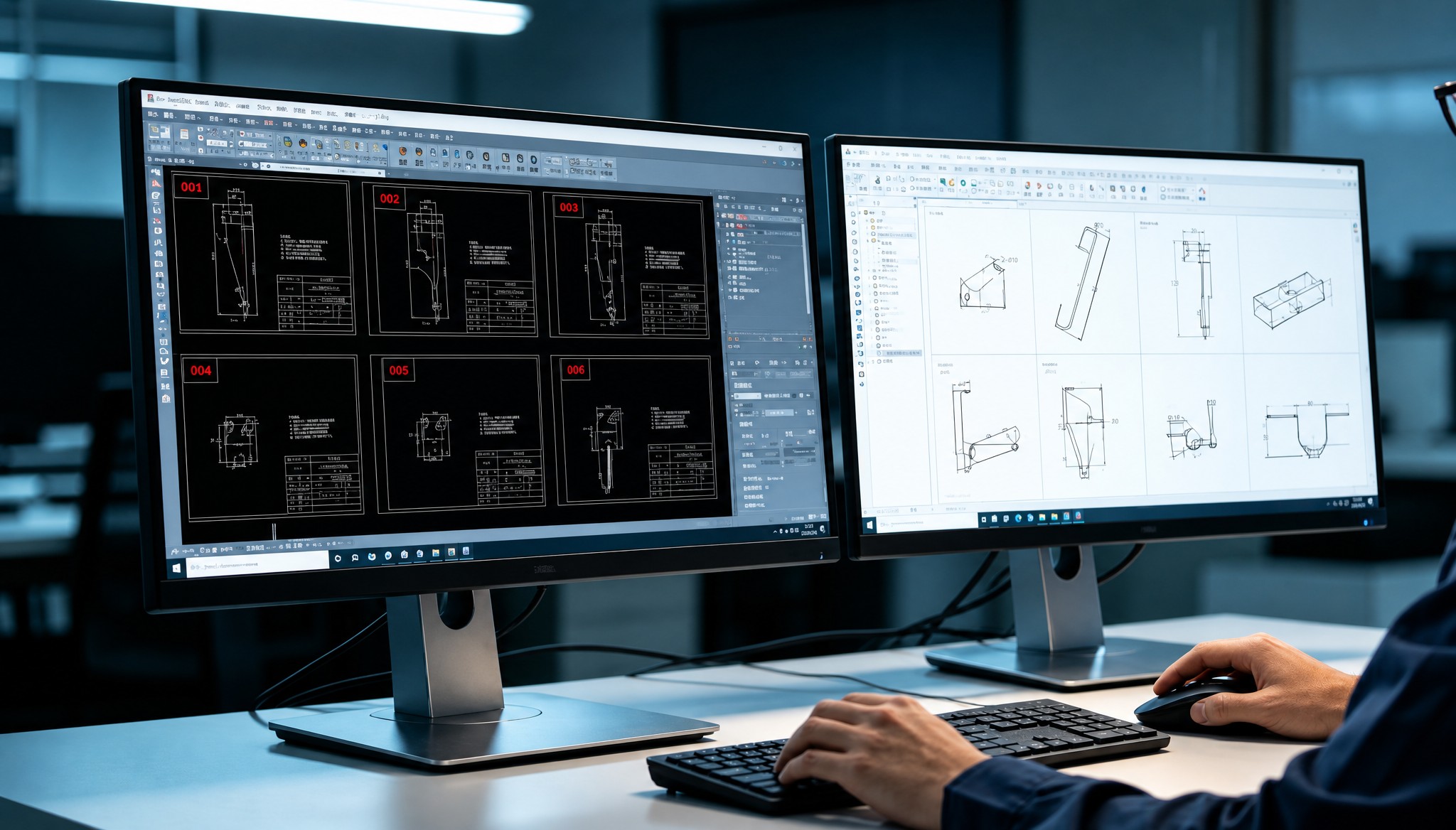
Review customer requirements and 3D models, and verify design parameters (material thickness, bending angle, tolerance range) together with the engineering team.
Generate detailed production drawings, clearly marking key areas with ±0.02mm precision and material specifications of high-grade alloy steel.
Check the compatibility between drawings and target machine models (such as AMADA, TRUMPF) to ensure post-production fitting accuracy.
RAW MATERIAL PREPARATION
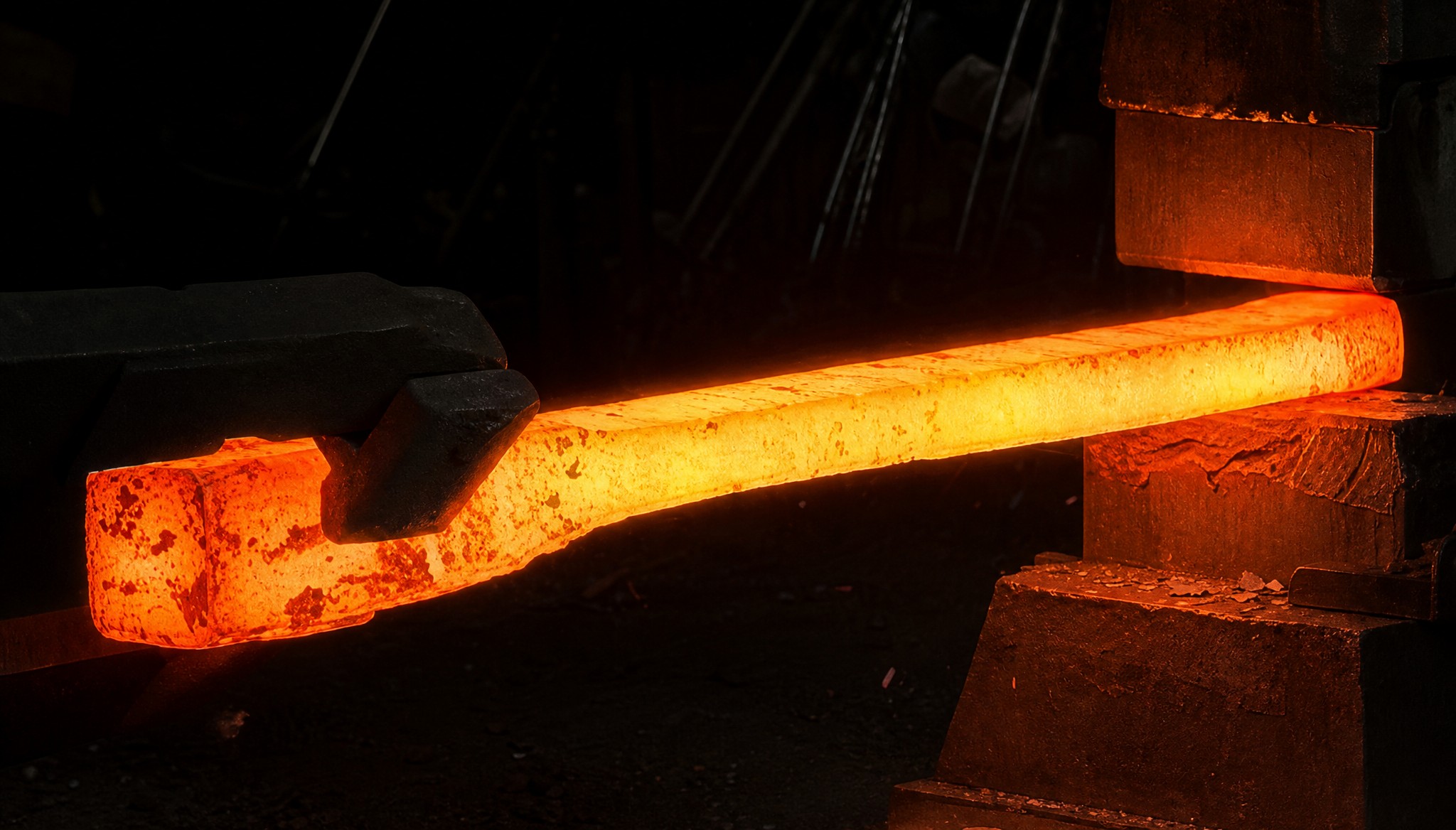
Cut steel blocks from certified raw materials using CNC cutting machines in accordance with incoming inspection standards, controlling length and width deviation within ±1mm.
Remove burrs from cutting edges with grinding tools to avoid jamming during processing.
Mark each steel block with a batch number and connect it to the laser traceability system to achieve full lifecycle data tracking.
ROUGH MACHINING STAGE
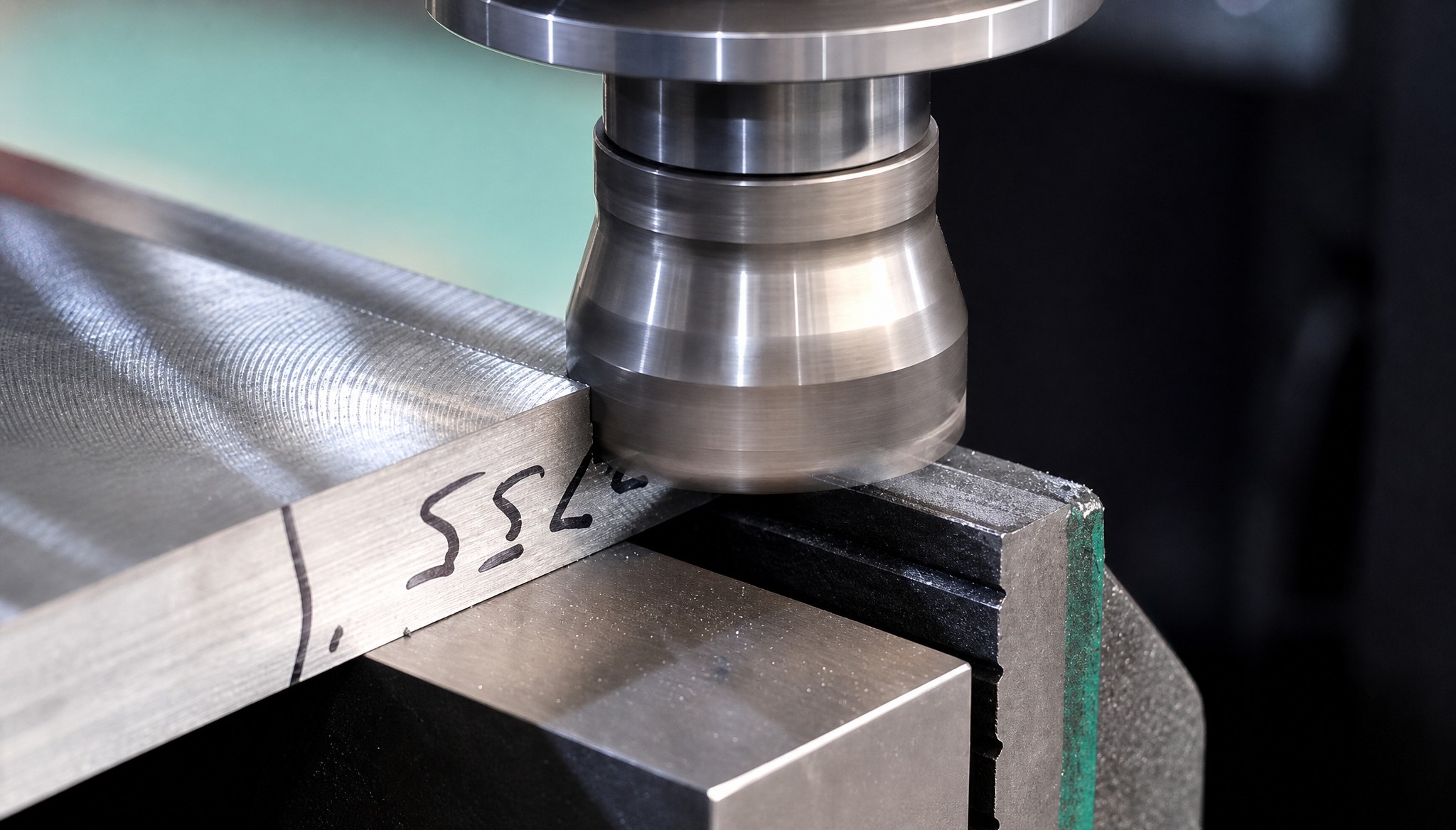
Machine basic contours such as cavities and bases using CNC milling machines, removing redundant materials according to drawings.
Drill positioning holes and slots, ensuring hole diameter tolerance is within ±0.05mm.
Preliminarily inspect dimensions with vernier calipers to reduce the risk of material waste in subsequent processes.
HEAT TREATMENT PROCESS
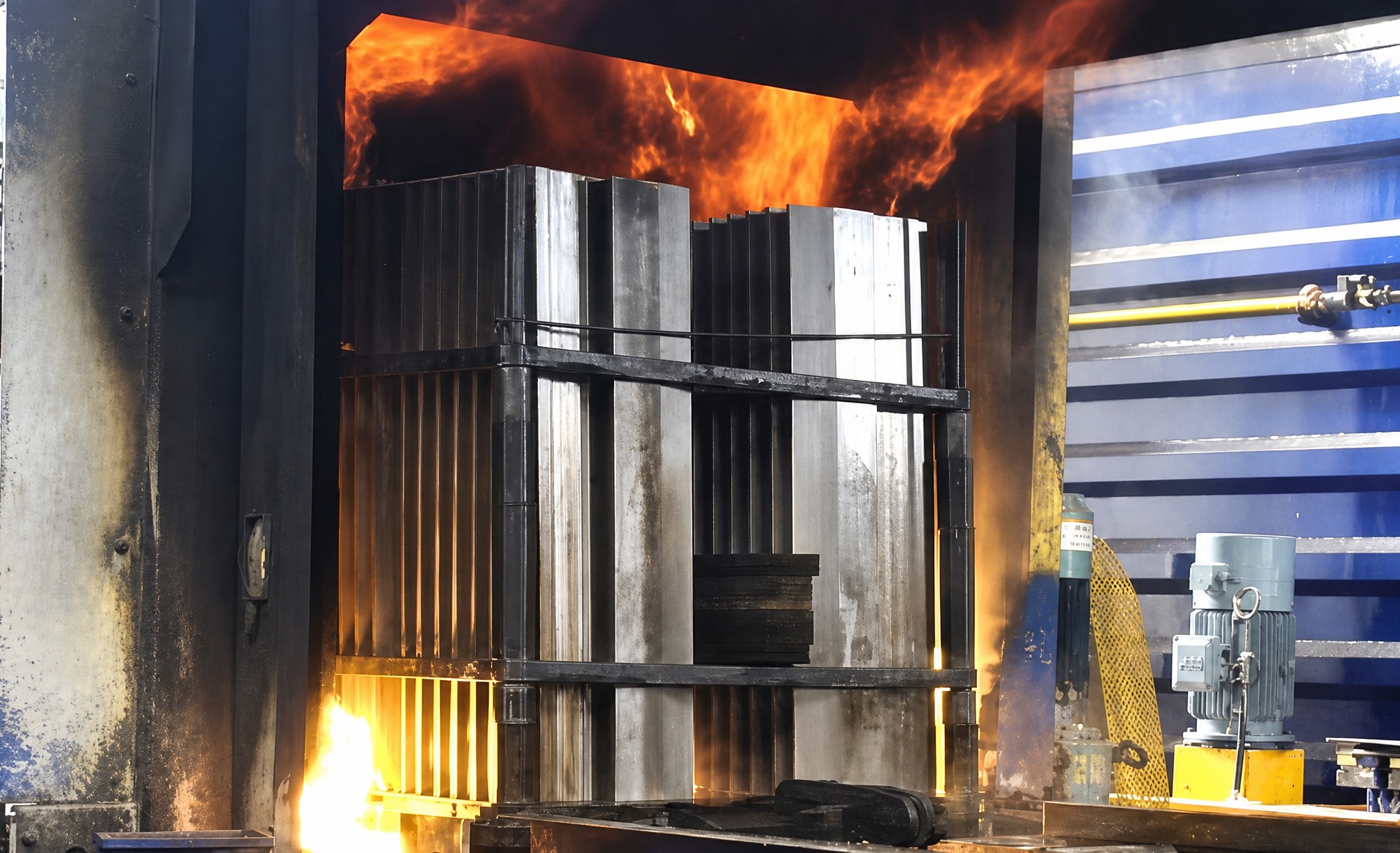
Send rough-machined components to controlled furnaces for quenching and tempering to achieve a hardness of HRC55-60.
Cool in a temperature-controlled environment to release internal stress and prevent deformation during subsequent processing.
Perform hardness testing at more than 3 points for each component; reprocess those exceeding the target range.
PRECISION FINISHING
Refine cavities and cutting edges using wire-cut EDM machines to achieve 0.02mm precision.
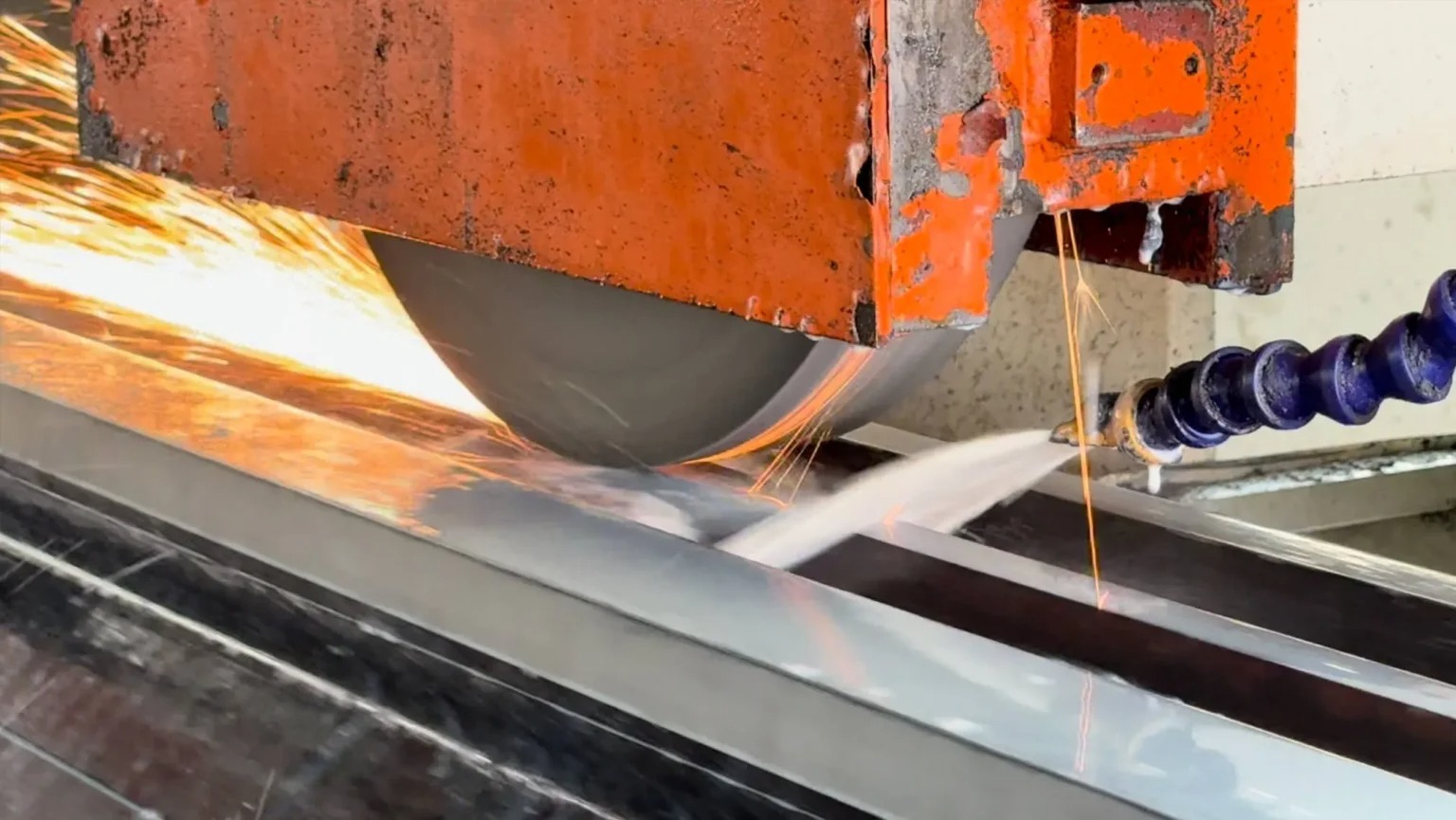
Grind mating surfaces with surface grinders, controlling flatness within 0.01mm/100mm.
Polish key contact surfaces to a roughness of Ra≤0.8μm to reduce friction during bending operations.
SURFACE TREATMENT PROCESS
Apply anti-rust coating via sandblasting at 0.4-0.6MPa pressure to enhance corrosion resistance.
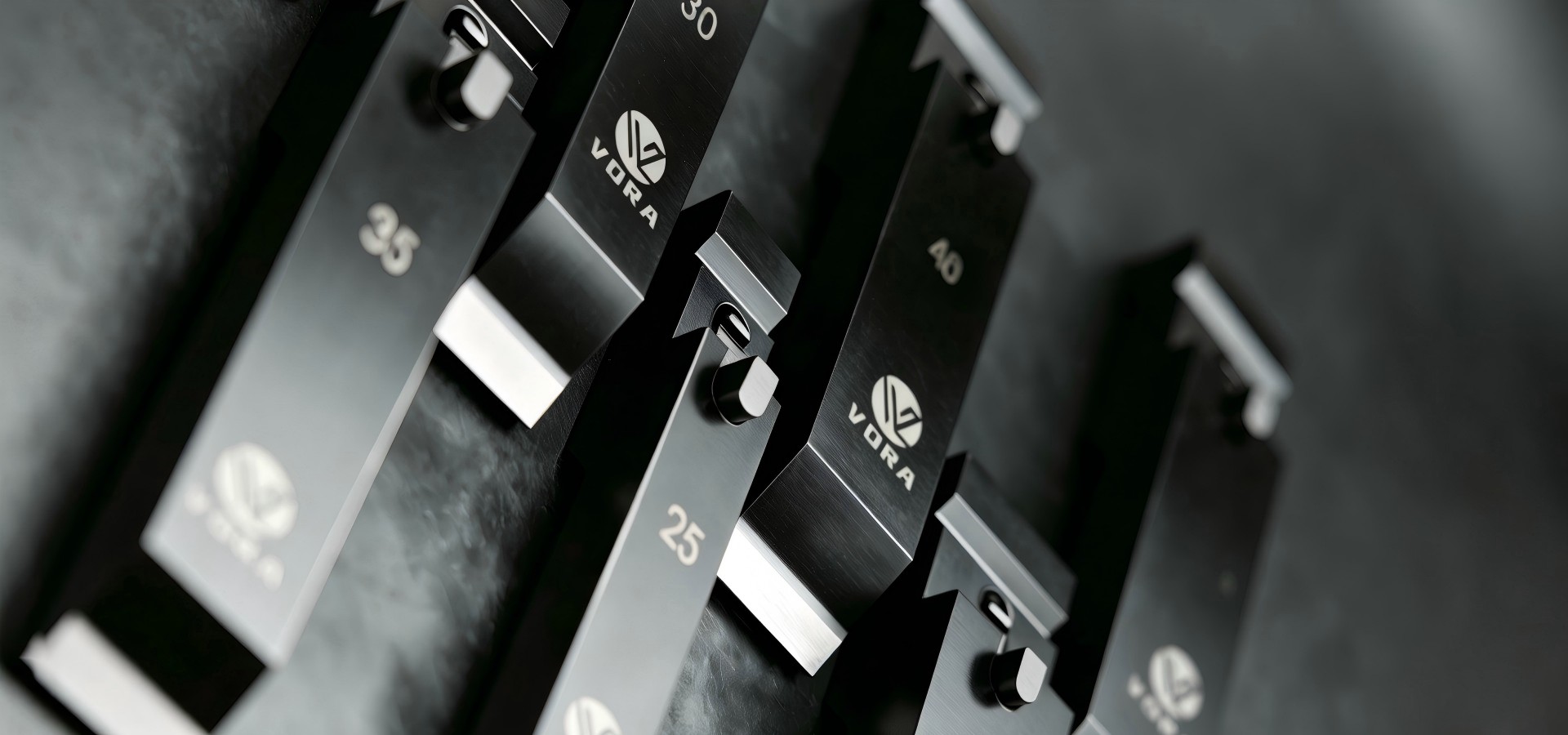
Perform black oxide treatment on key surfaces, ensuring uniform coverage without affecting dimensional accuracy.
After adhesion testing of the coating, repair defective areas before assembly.
PRODUCTION CUSTOMIZED LASER MARKING
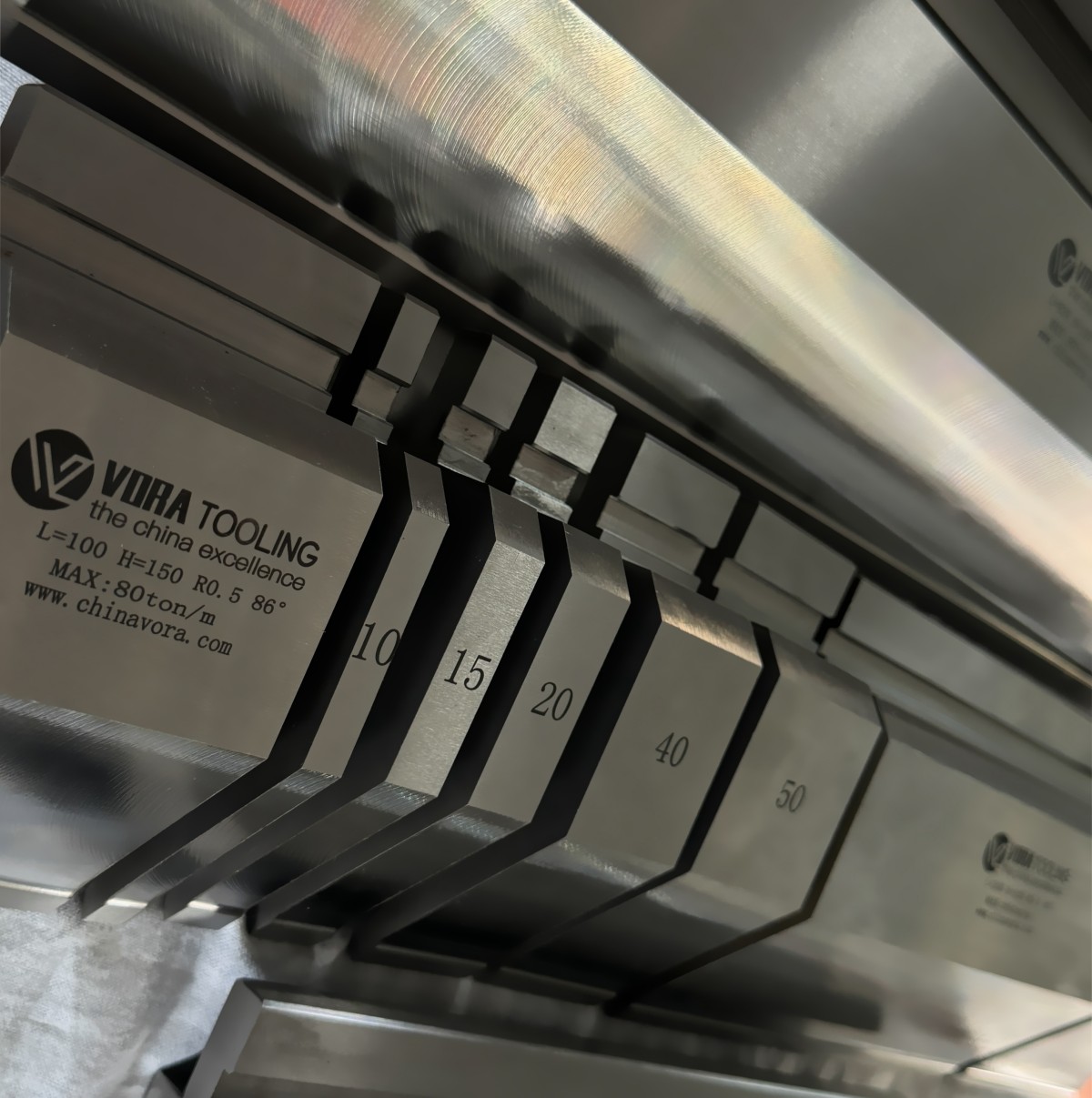
After the full-process production of the Press Brake Tooling is completed and passes the final inspection(with the surface condition and other aspects meeting the requirements of the customer’s order), we willperform exclusive laser marking on this tooling based on the customer’s customized information collectedand filed in advance.
ASSEMBLY AND FUNCTIONAL TESTING
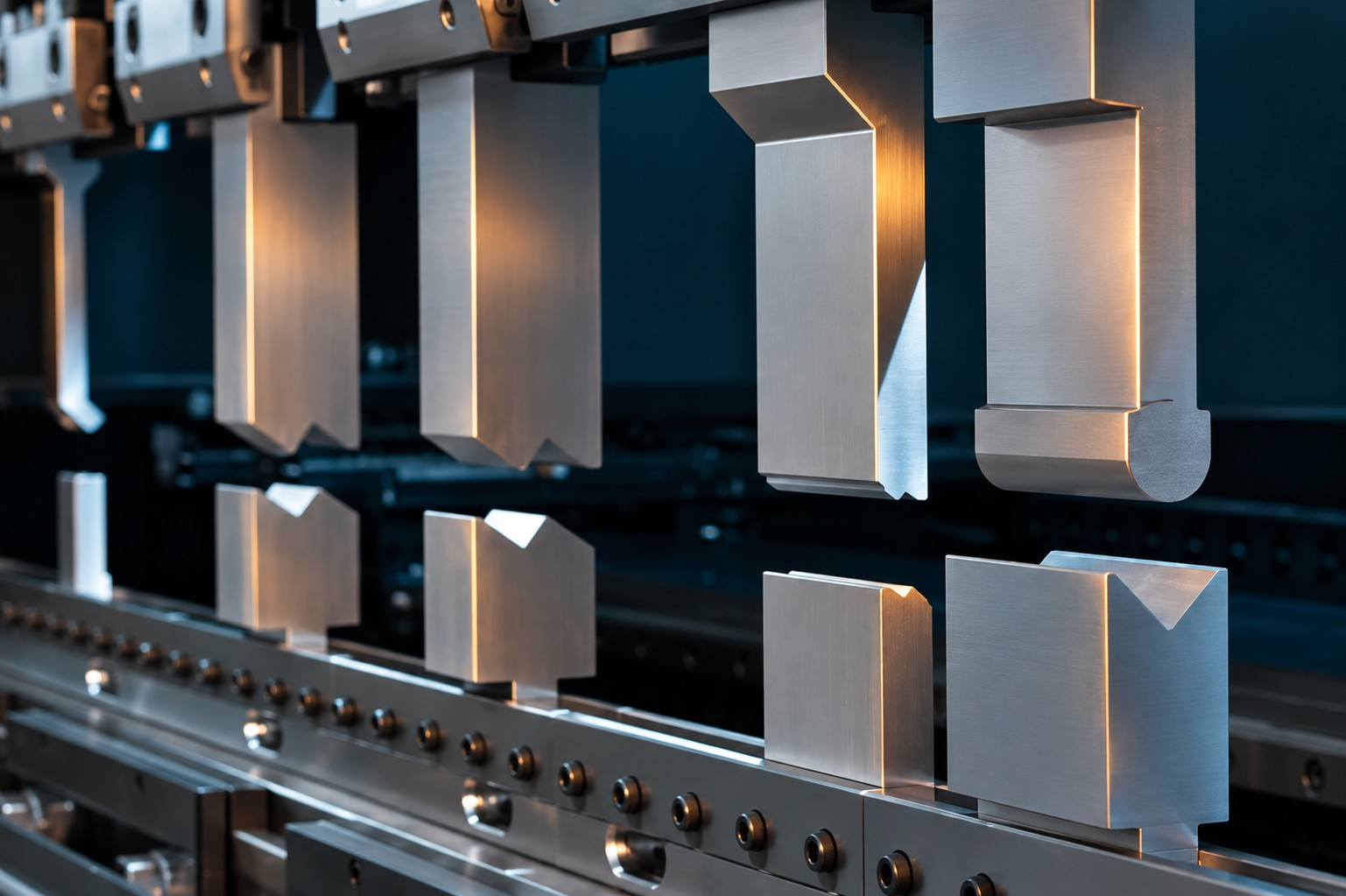
For every custom-made special-shaped bending die, we insist on completing 1:1 full working condition test-run verification before delivery – this is not an additional procedure, but a core guarantee to accurately “escort” your production.
FINAL INSPECTION AND PACKAGING
Conduct full-size inspection with a coordinate measuring machine, and record data in the quality inspection report.
Clean the tooling with industrial solvents, then apply protective film to contact surfaces.
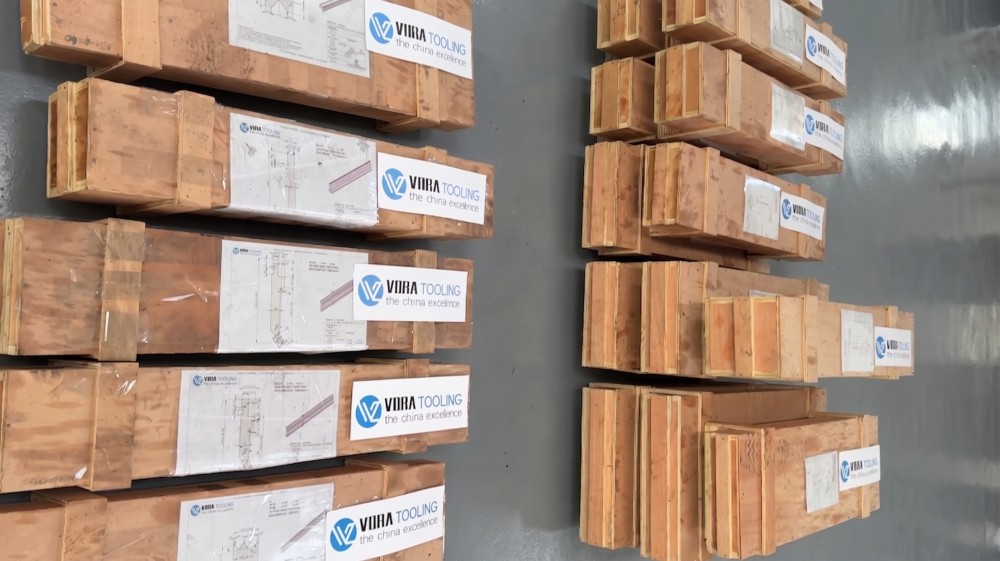
Package in moisture-proof wooden cases with foam liners, marking part numbers, weight and handling instructions.
Attach inspection certificates and scannable traceability codes (including complete production records) before shipment.
Stay tuned for more updates

Need to reach us?
Leaders in industrial manufacturing & technology since 1992.